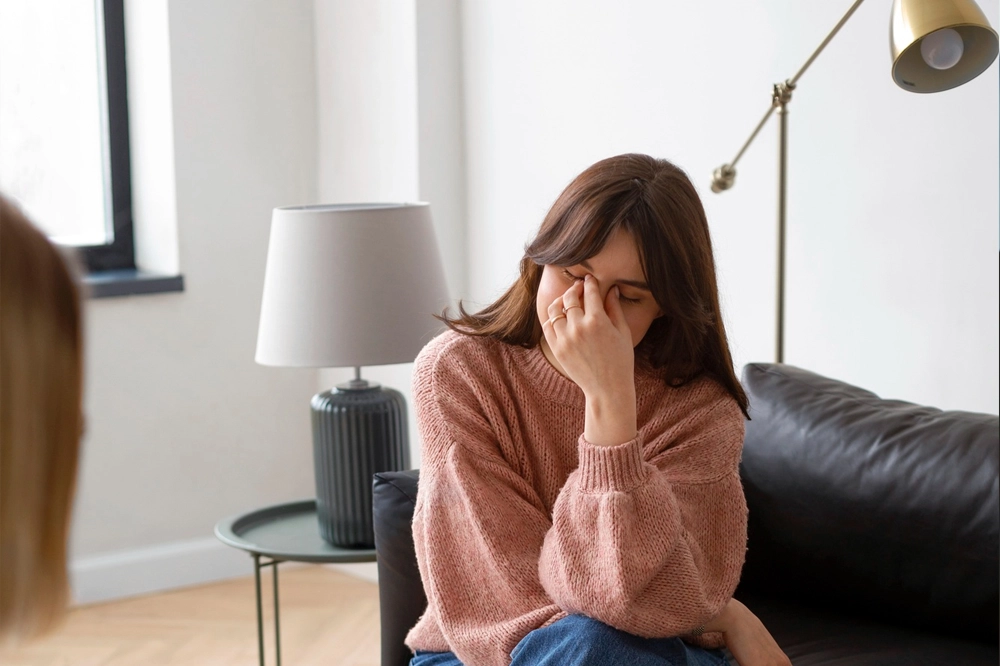


What Does Depression Feel Like?
Depression is a very common but serious mood disorder that negatively affects-
- How you feel?
- How you think?
- How you act?
Depression is a feeling of sadness, loss of interest in activities, or anger. It leads to various emotional and physical problems and can decrease the ability to work. But depression can be treated with medication, psychotherapy, or both.
There are two main types of depression-
Major depressive disorder: A severe form of depression characterized by persistent feelings of sadness, hopelessness, and worthlessness that need treatment.
Persistent depressive disorder: Also called dysthymia, is milder, but symptoms last for at least two years or more.
Signs and Symptoms of Depression
Symptoms of depression range from acute to severe and vary from person to person.
Emotions:
Feeling of sadness
Irritability or frustration
Anger outbursts
Anxiety or feeling of fear
Thoughts:
Lack of concentration at work or day-to-day activities
Confusion and difficulty making decisions
Suicidal tendency
Physical:
Fatigue or feeling of tiredness
Lack of energy
Changes in sleep cycle (sleeping too much or too less)
Unusual weight gain or weight loss
Behavior:
Frequent mood swings (fluctuations in mood from time to time)
Withdrawal from others (avoiding people and activities)
Personality changes (shift in the way you behave, feel or think)
There may also be memory difficulties in some people, especially older adults.
Some other signs of depression (some excess info from same website), please look what is required and what is not.. only inverted reading is to be checked
Depression is a mental health disorder that can affect a person’s thoughts, emotions, and behavior. While it’s important to consult with a healthcare professional for an accurate diagnosis, here are some common signs and symptoms of depression:
- Persistent sadness or low mood: Feeling sad, empty, or hopeless most of the time, often for no apparent reason.
- Loss of interest or pleasure: Losing interest in activities or hobbies that were once enjoyable. Feeling a lack of motivation and finding it hard to derive pleasure from things.
- Significant changes in appetite or weight: Experiencing a noticeable increase or decrease in appetite, resulting in weight loss or weight gain.
- Sleep disturbances: Changes in sleep patterns, such as insomnia (difficulty falling asleep or staying asleep) or hypersomnia (excessive sleepiness or prolonged sleep).
- Fatigue and lack of energy: Feeling tired, physically drained, or lacking energy even after restful sleep or minimal exertion.
- Feelings of worthlessness or guilt: Having persistent negative thoughts about oneself, feeling excessive guilt or self-blame, and having a diminished sense of self-worth.
- Difficulty concentrating or making decisions: Experiencing problems with focus, memory, decision-making, and having trouble completing tasks.
- Irritability or restlessness: Feeling agitated, easily irritated, or restless, even over small matters.
- Withdrawal from social activities: Withdrawing from social engagements, avoiding friends or family, and isolating oneself from social interactions.
- Physical symptoms: Experiencing unexplained physical symptoms such as headaches, stomachaches, or back pain that are not attributable to any other medical condition.
- Thoughts of death or suicide: Having recurrent thoughts of death, suicidal ideation, or making plans for suicide. It’s crucial to seek immediate help if you or someone you know is experiencing this symptom.
It’s important to note that experiencing a few of these symptoms occasionally does not necessarily indicate depression. However, if you notice these signs persisting for an extended period (typically two weeks or more) and interfering with daily life, it’s advisable to consult a mental health professional for an evaluation and appropriate support.
Causes of Depression
Although there are many causes of depression, some major factors include:
- Chemical imbalance in the brain that manages your mood, thoughts, sleep, appetite, and behavior
- Hormonal changes in females during the menstrual cycle, postpartum period, or menopause
- Family history of depression or any other mood disorder
- Early childhood trauma or events that affect the way your body reacts to stressful situations and communicates with the world
- Brain structure, where the frontal lobe of your brain is less active
- Medical conditions such as insomnia, Parkinson’s disease, stroke, and cancer
- Substance abuse like alcohol or drug misuse
- People under emotional or chronic physical pain for long periods
Risk factors for Depression
Common risk factors for depression include:
- Age and Sex: More in females than in males of age 50 and older
- Genetics: Family history of depression or other mental disorders
- Environmental factors: Financial status, violence, living alone
- Certain medications: Hormonal birth control pills, corticosteroids, and beta-blockers
- Improper Nutrition: Low levels of vitamin D.
- Substance misuse: Alcohol or Drugs
- Medical illnesses: Stroke, cancer, insomnia
Treatment for Depression
Self-help: Regular exercise, regular sleep, and spending more time with people around you can improve depression symptoms.
Counselling: Counselling or psychotherapy (talking to a mental health professional) helps address your problems and develop coping skills.
Alternative medicine: Therapy like massage, acupuncture, hypnosis, etc., can improve your well-being.
Medication: Your doctor may prescribe antidepressants to change the brain chemistry that causes depression.
Brain stimulation therapy: Brain stimulation therapy like electroconvulsive therapy (ECT), transcranial magnetic stimulation (TMS) and vagus nerve stimulation (VNS) can help people with severe depression.
Prevention of Depression
- Exercise regularly to remain physically active
- Cut down social media time to help with self-esteem
- Reduce stress by practicing meditation
- Maintain a regular sleep cycle (7-8hours of daily sleep)
- Maintain a standard healthy weight
- Maintain a healthy eating lifestyle
- Reduce alcohol and drug use
- Manage your chronic conditions with proper medications
- Cope up with your surrounding and communication with your surrounding people
- Consult a doctor for a proper treatment plan
Conclusion
Depression is a common and serious mental health condition that affects millions of people worldwide. It can impact a person’s mood, thoughts, and behavior, leading to feelings of sadness, hopelessness, and disinterest in daily activities. While depression can be a challenging condition to manage, it is treatable with the right support and interventions, such as therapy, medication, and lifestyle changes. Seeking help and talking openly about your experiences with depression is an important step towards recovery and improved mental health.